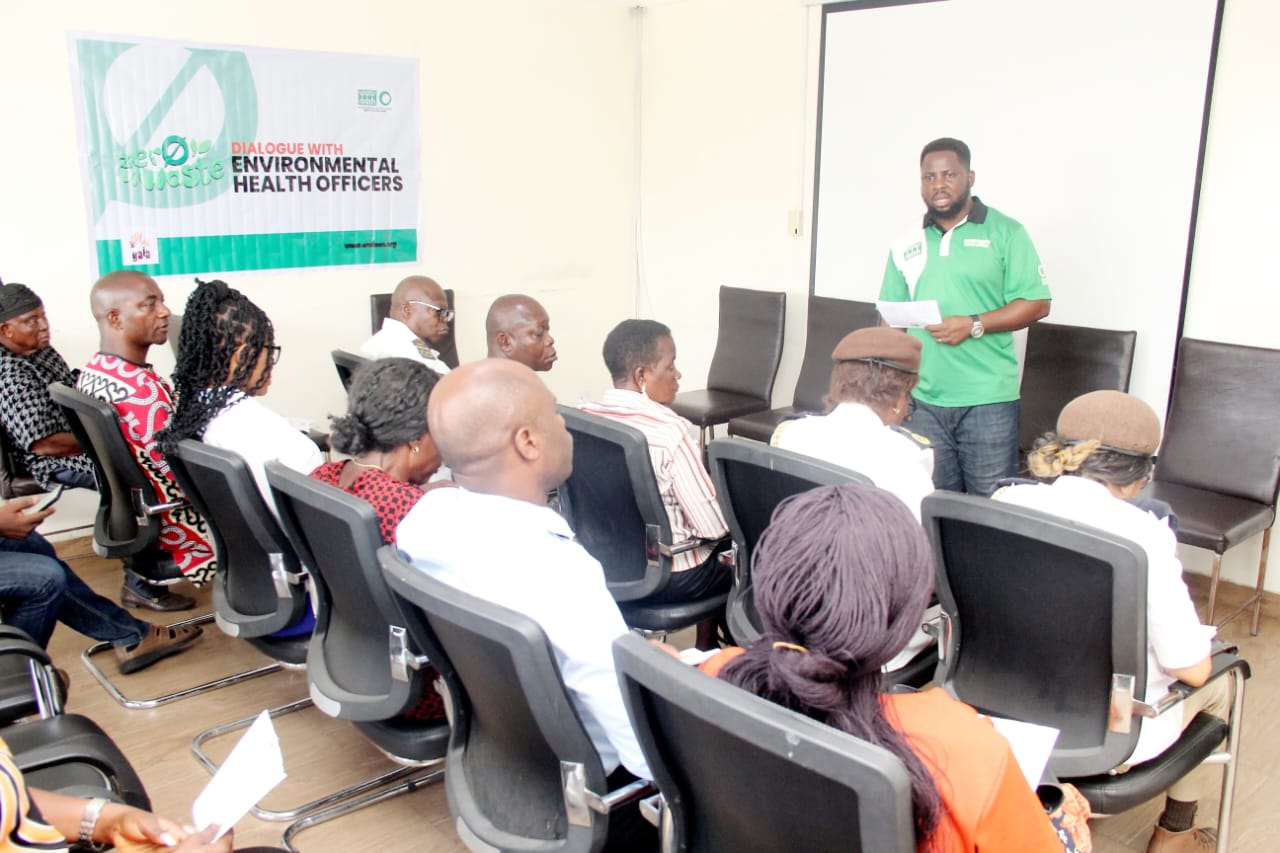
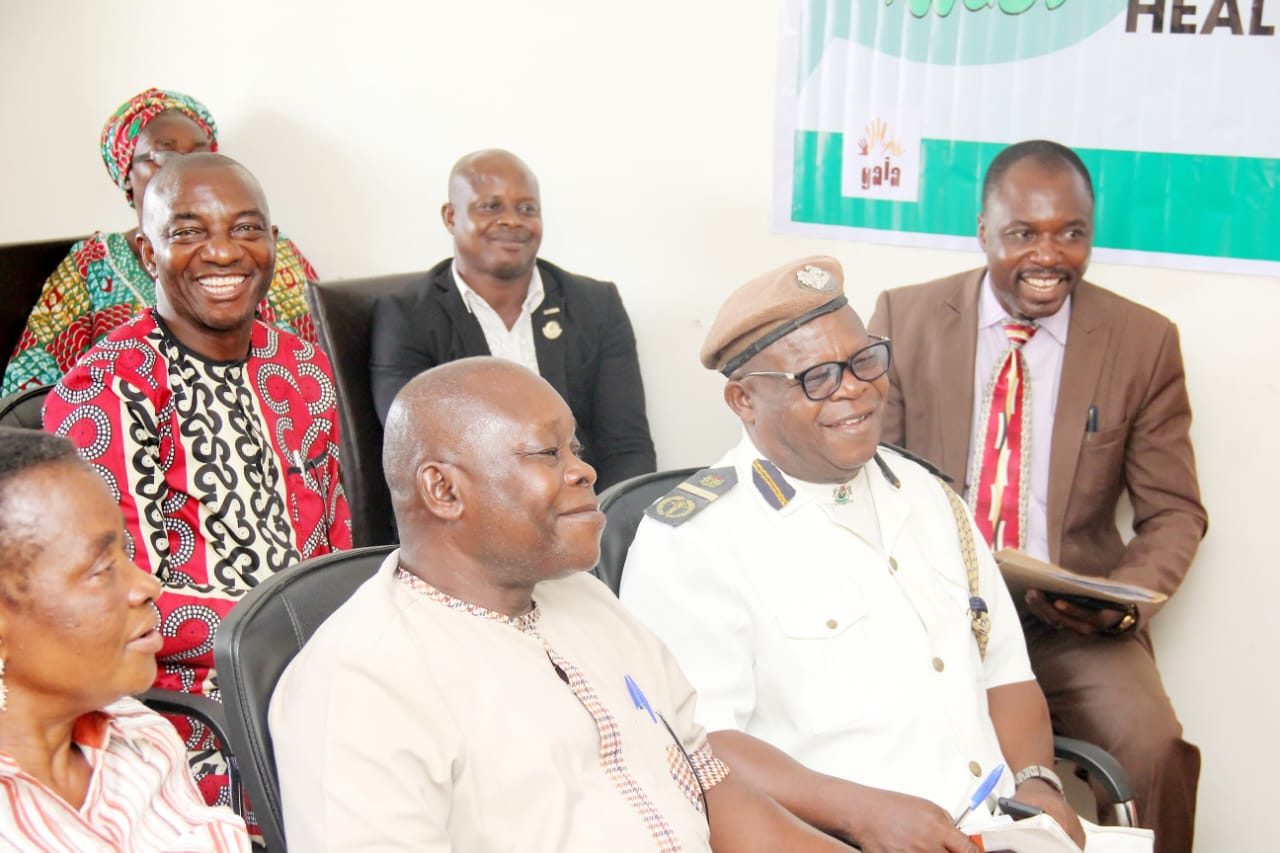
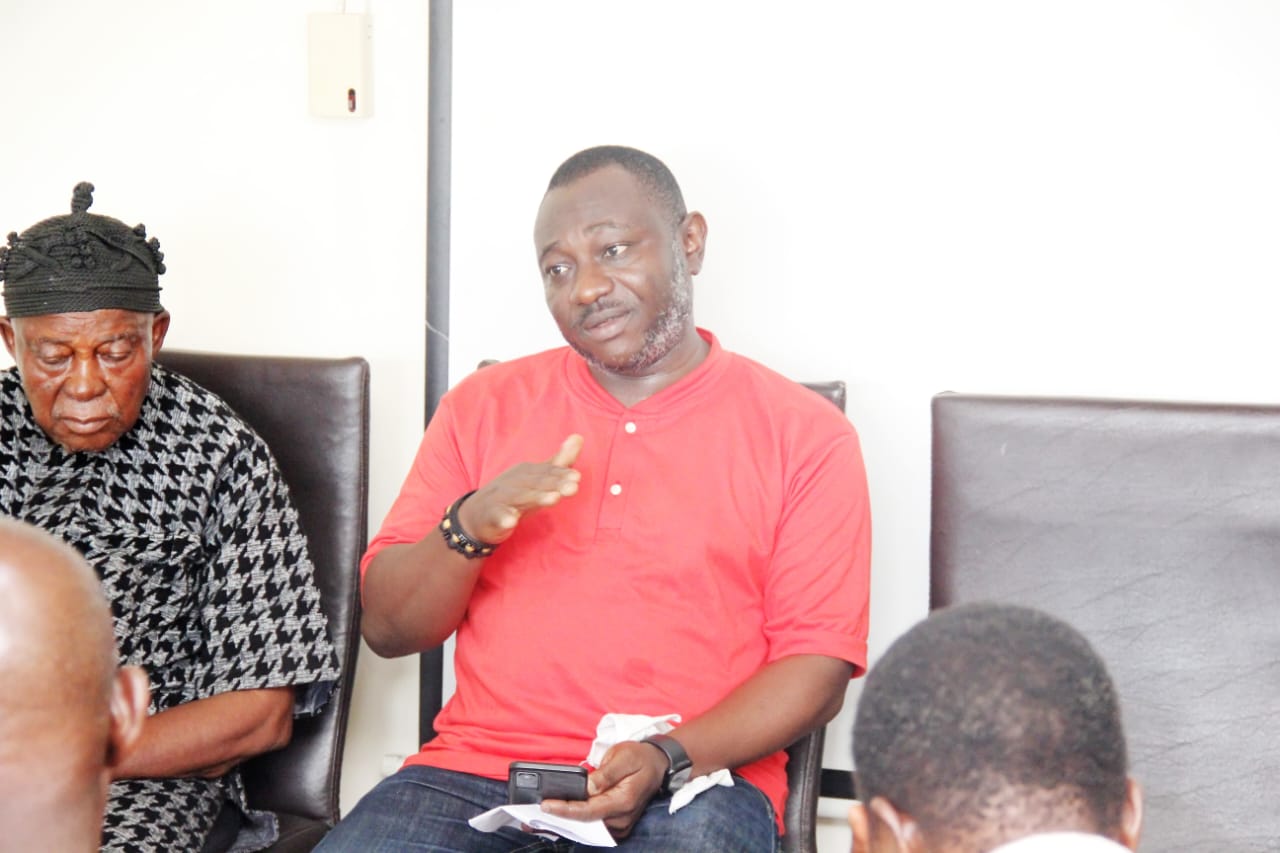
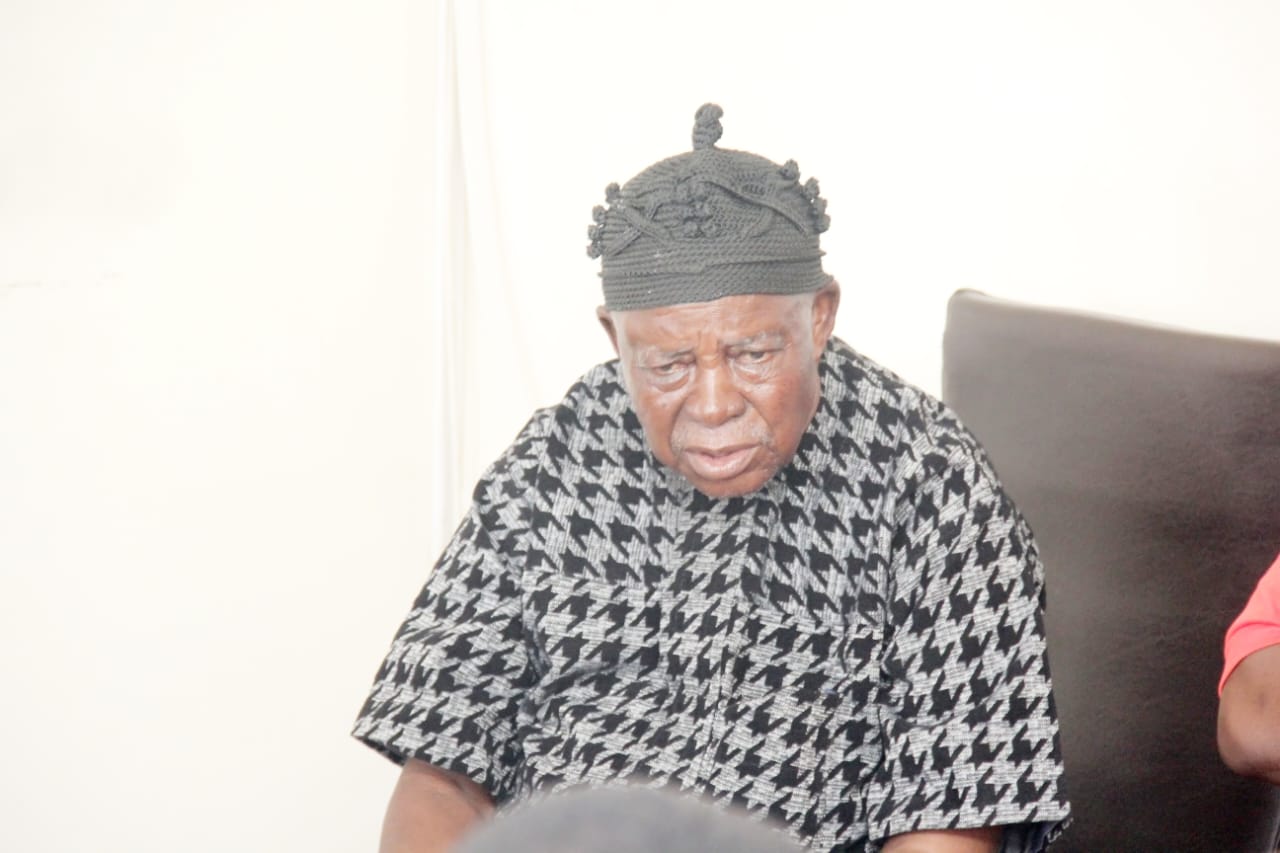
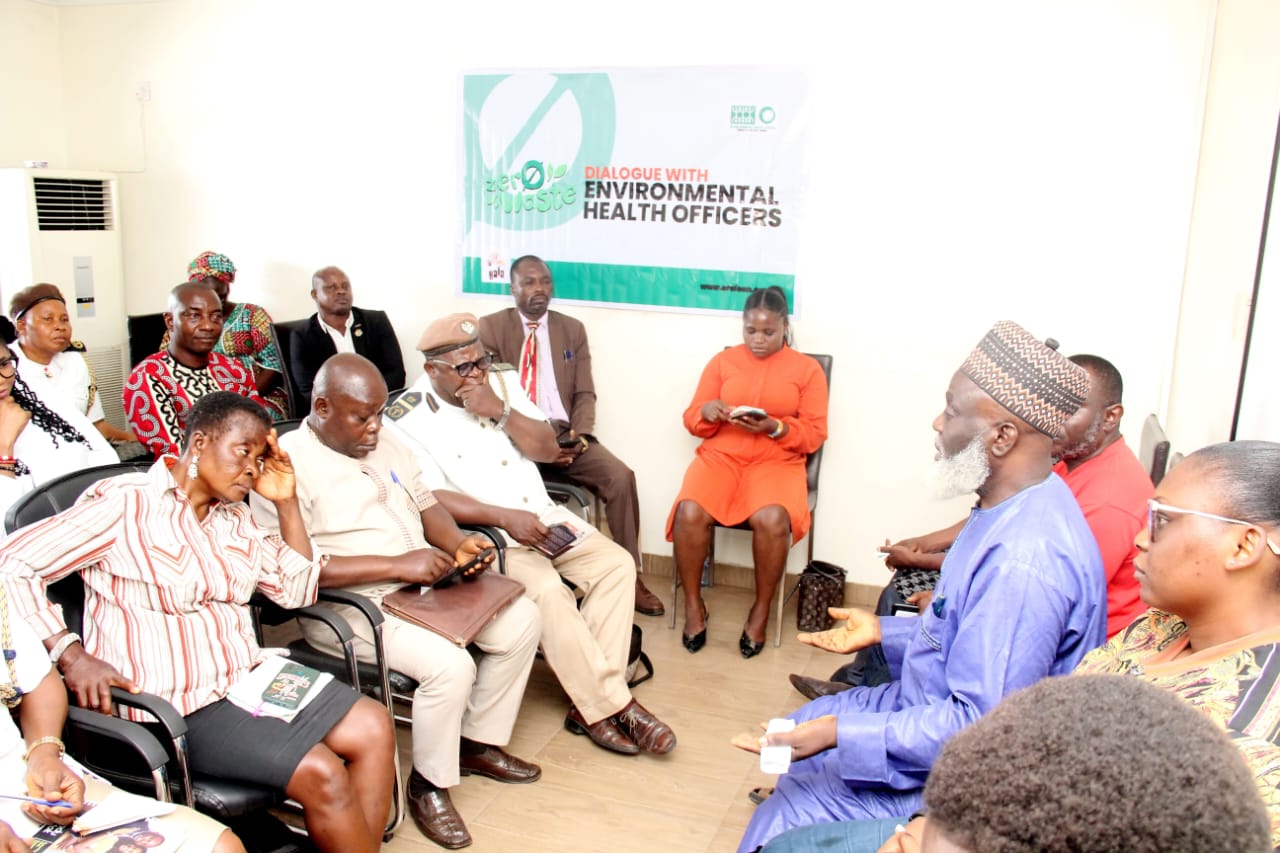
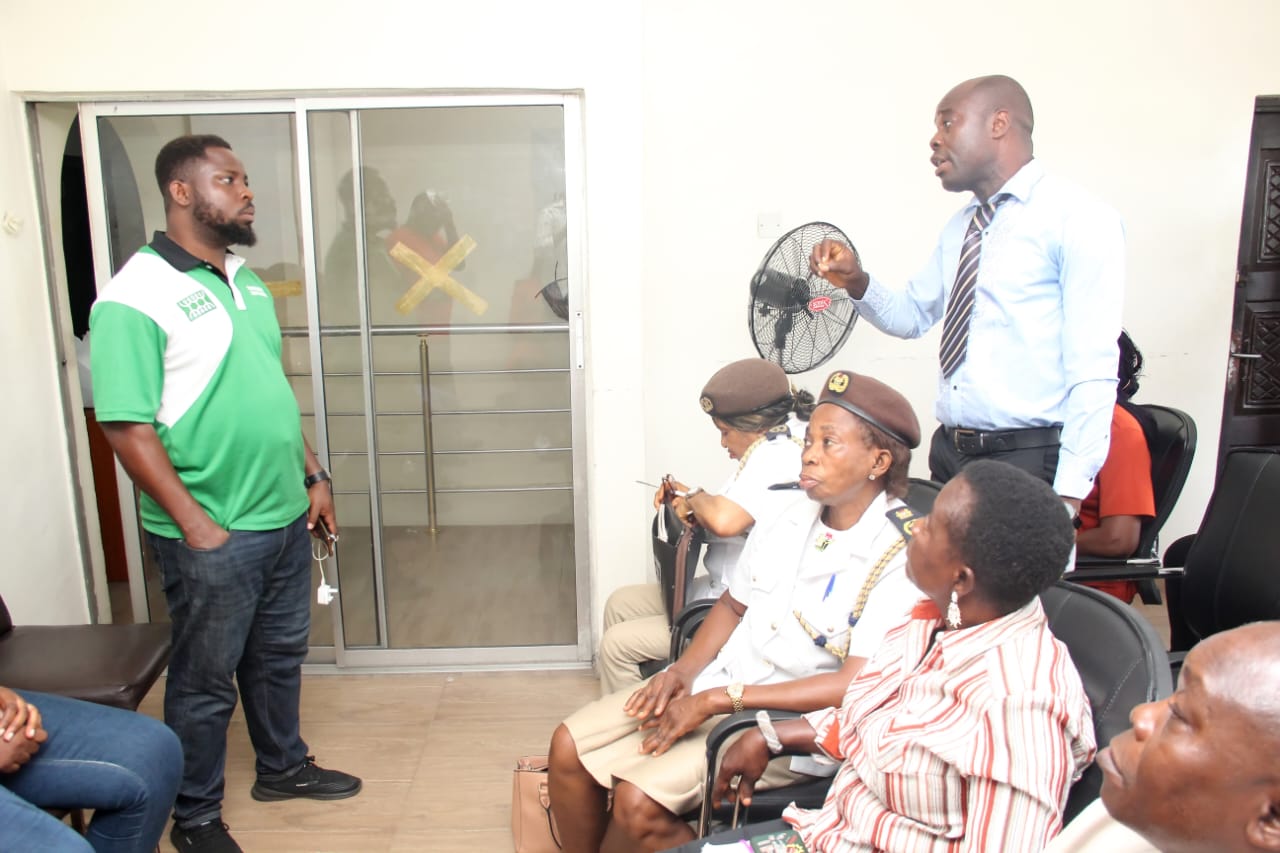
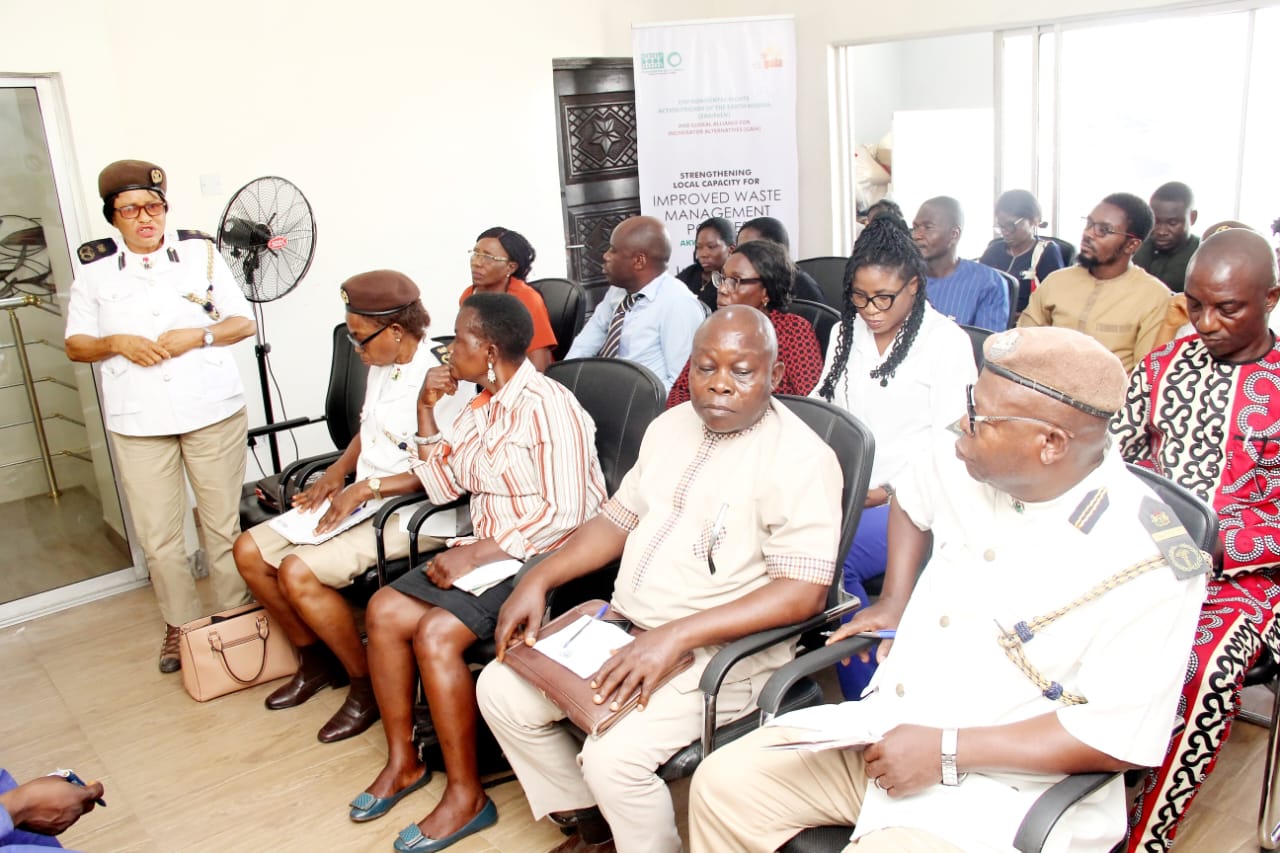
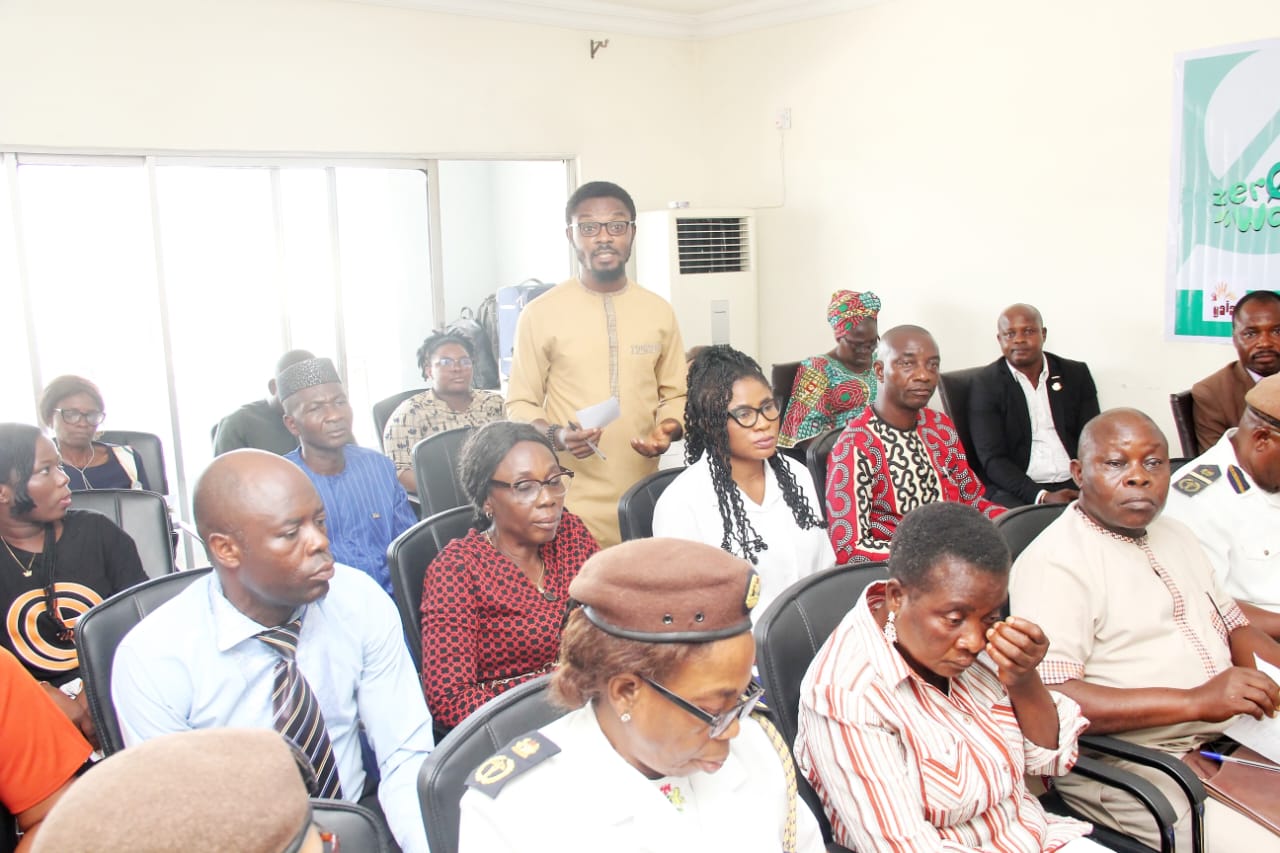
Zero Waste Ambassadors (ZeWA) as part of its activities in strengthening local capacities for improved waste management in the Niger Delta met with Environmental Health Officers in Akwa Ibom State for dialogue on how to foster a zero-waste society in Akwa Ibom State.
The dialogue handled by Environmental Rights Action/ Friends of the Earth (ERA/FoEN) with support from Global Alliance for Incinerator Alternatives (GAIA) evaluated the progress made in the waste management sectors in Akwa Ibom State, the role of Environmental Health Officers and the way forward.
After robust discussions on the challenging issues of waste in the State, the following observations and recommendations were made:
OBSERVATIONS
The participants in the dialogue observed that:
* The ongoing remediation exercise at Akpayak Community is not bio-remediation as claimed by the government. Most importantly, it is below global best practices and stands as a landmine for future disasters.
* Key stakeholders and the grassroots are often excluded from the formulation of waste management policies in the State.
* There has been an over-concentration of waste management structure and effort in the capital city, leaving the local communities to their fate.
* Usage of non-professionals in waste management has left noticeable gaps in the drive towards zero waste in Akwa Ibom State.
* Budgeting for waste management in Akwa Ibom State has been abysmally poor even as the sector has witnessed obvious gaps in transparency and accountability.
* Environmental Officers have been more concerned about revenue generation through environmental taxes and desk work than the field work which would have helped in the drive against zero waste.
*Local Government Authorities have been relegated to the background of waste management even as their responsibility has been usurped by the State.
*Over time, waste management has been left only in the hands of the government with little attention from the citizens over their roles and contribution. This has left more to be desired.
* Most Local Government Areas are left with only two or fewer Environmental Health Officers hence waste management efforts are negatively affected.
RECOMMENDATIONS
The Participants in the dialogue recommended the following:
* While the government of Akwa Ibom State is commended for listening to calls for remediation of the Akpayak dump site, the government should take urgent steps to correct the remediation exercise in line with global best practices and turn it into a resource site.
* Key stakeholders and the grassroots should henceforth be included during the formulation of waste management policies in the State.
* Government should make a conscious effort in extending waste management structure and effort beyond the capital city to communities.
* Government must immediately engage professionals in Waste management efforts in the State. Most importantly, the next Commissioner for Environment must be an environmentalist so that issues of the environment would be fully understood and implemented.
* There is a need for improved budgeting of the waste management sector including the LGAs. Most importantly, transparency and accountability should be the watchword in implementation.
* Environmental Officers must move beyond revenue generation and desk work into field work as prescribed in their mandate.
* Synergy must be engendered across State Government and Local government authorities on waste management strategy.
*Waste management must move beyond the sole responsibility of the government. All stakeholders should be interested in waste management by adopting the 7Rs strategy of Rethink, Refuse Reduce, Repurpose, Reuse, Recycle, and Rot.
* Government should as a matter of urgency improve the staffing of Environmental Health Officers across the Local Government.